Tap water, RO water, and remineralizing
Tiger Barb sits in a moderate range, so avoid extreme softening or heavy buffering unless your tested tap water is outside the listed window.
Use this freshwater pH, GH, and KH overlap tool to avoid aquarium temperature mismatch and water hardness conflicts before choosing community tank mates.
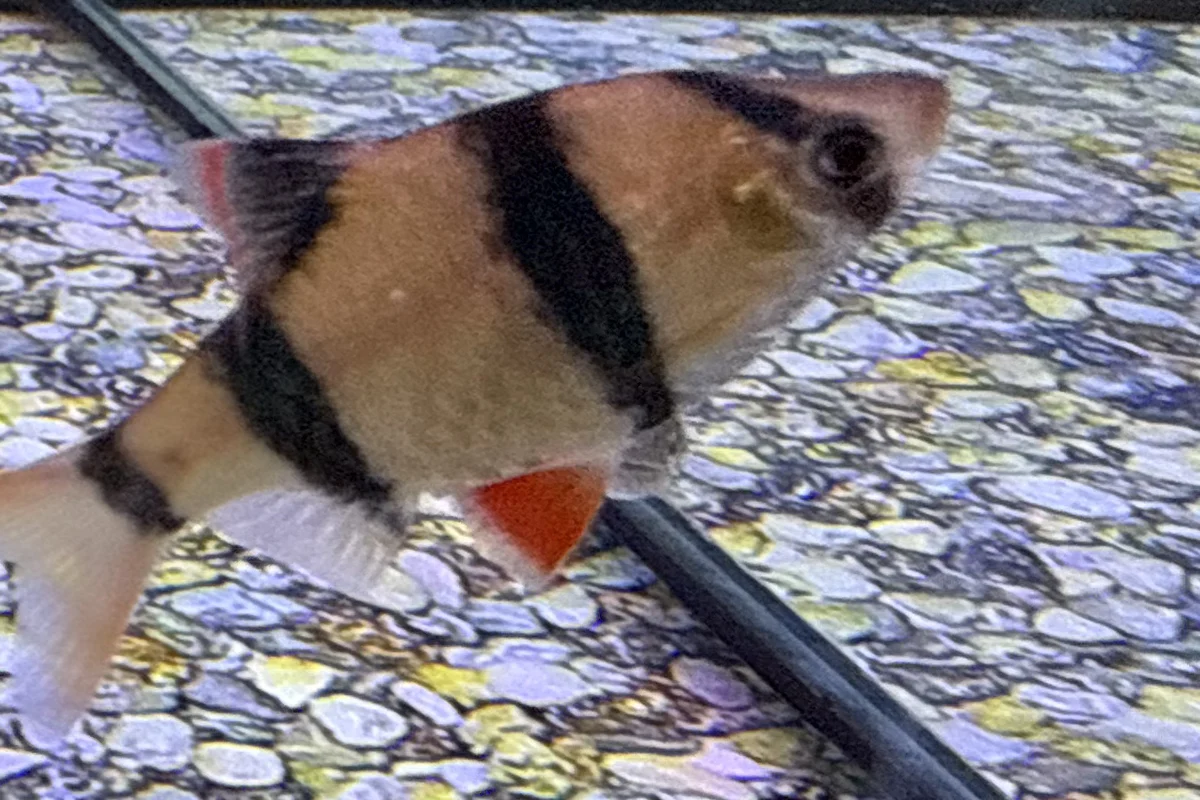
Use these ranges as a compatibility window, not as a reason to chase an exact pH number. Stable temperature, mature filtration, and gradual acclimation are safer than frequent chemical swings.
For Tiger Barb, pH describes acidity, GH describes calcium and magnesium hardness, and KH describes buffering capacity. The safest target is a stable value inside the range: pH 6-8, GH 4-15 dGH, and KH 2-10 dKH.
Tiger Barb sits in a moderate range, so avoid extreme softening or heavy buffering unless your tested tap water is outside the listed window.
Before reacting to a smart sensor spike, retest with a liquid kit. Dirty probes, air bubbles, expired reagent pads, probe drift, and water-change turbulence can create false nitrate or pH readings.
Watch for clamped fins, hiding, gasping, loss of color, flashing, failed molts, shell erosion, or sudden aggression after a water change. Those symptoms usually mean you should test ammonia, nitrite, nitrate, pH, GH, KH, and temperature before changing livestock.